ecology
-

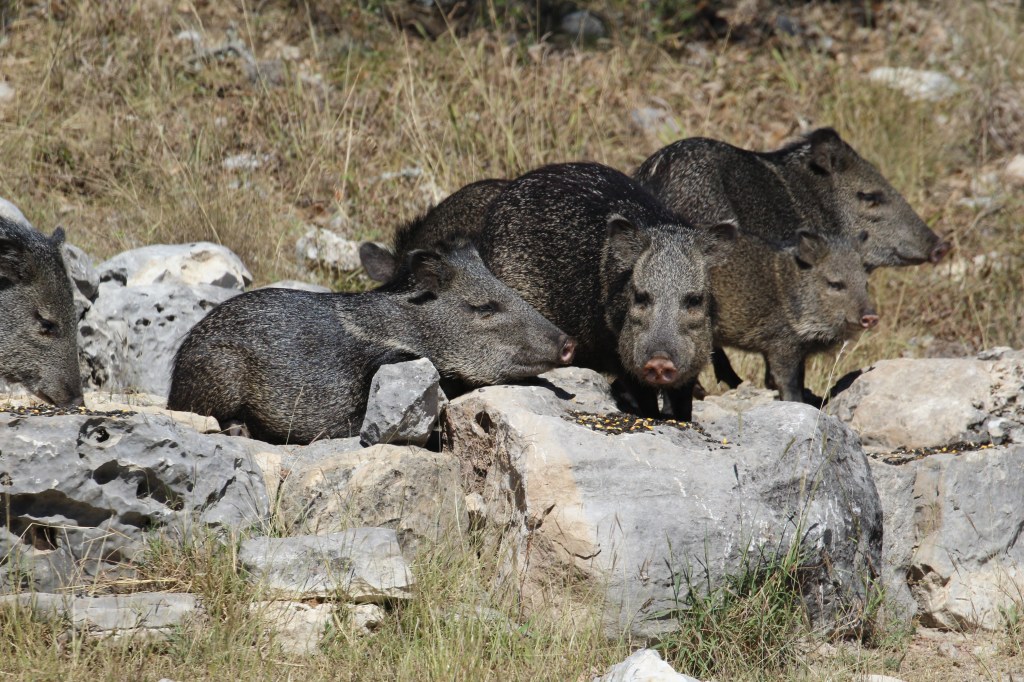
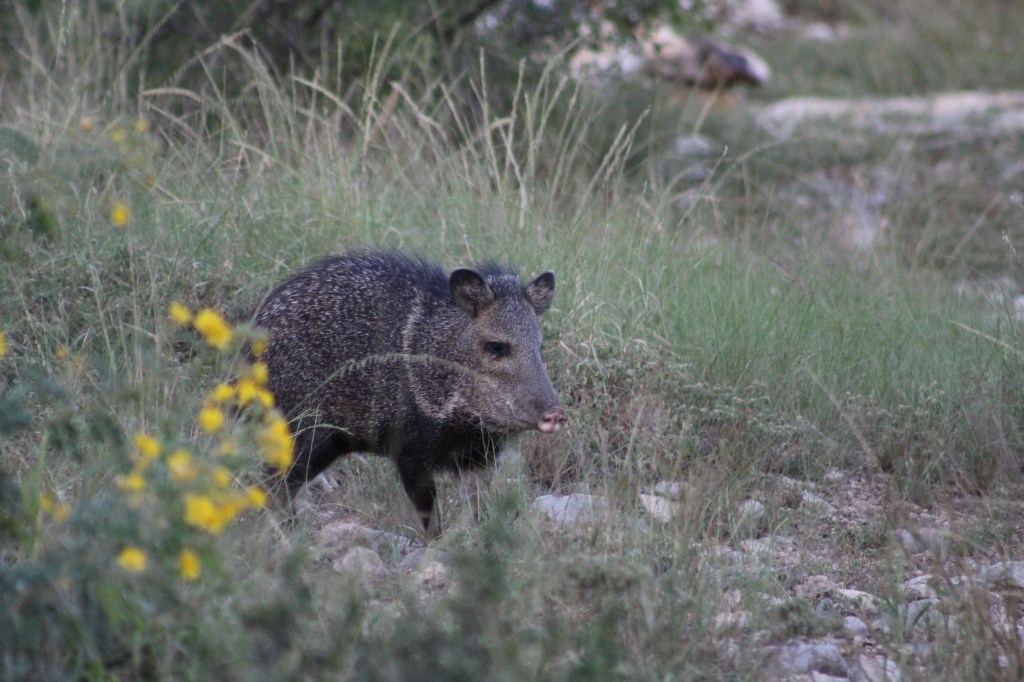
Javelinas, also known as collared peccaries (Pecari tajacu), are the only peccary species native to North America. Despite their porcine appearance, peccaries (Family Tayassuidae) are not pigs (Family Suidae). However, this superficial resemblance between javelinas and introduced feral hogs (Sus scrofa), they are often confused in Texas. Feral hogs are responsible for millions of dollars…
-

Texas Ebony trees (Ebenopsis ebano) is a species of legume native to South Texas. These trees produce large bean pods (see below) that ripen and fall to the ground. They provide food to javelinas (Pecari tajacu) and other wildlife. Using the last five years of iNaturalist javelina sightings, I am examining the relationship between javelinas…
-
On October 27, I presented some of my preliminary research at the Royal Anthropological Institute’s 2021 Anthropology and Conservation conference at the “Living with Diversity in a More-than-human World” panel. In this talk, I discuss a multispecies community in the Texas Hill Country, centering on human-javelina relations.
-
I am currently working on a manuscript exploring the ways that both literal and metaphorical shadows produce ambiguity in more-than-human communities. In order to be participating members of these communities, we have to find ways to engage in a politics that bridges evolutionary, ontological, and perceptual barriers. I attempt to do so through the ethnographic…
-

Here is some javelina video during fieldwork on October 30, 2020.
-
I spent time out in the Hill Country, north of San Antonio ,Texas. The clan that I worked with on this trip was made up of 8 total members (4 adults, 2 subadults, and 2 juveniles). I worked on top a hill to determine their home site and bedding patterns. I also tracked them around…
-
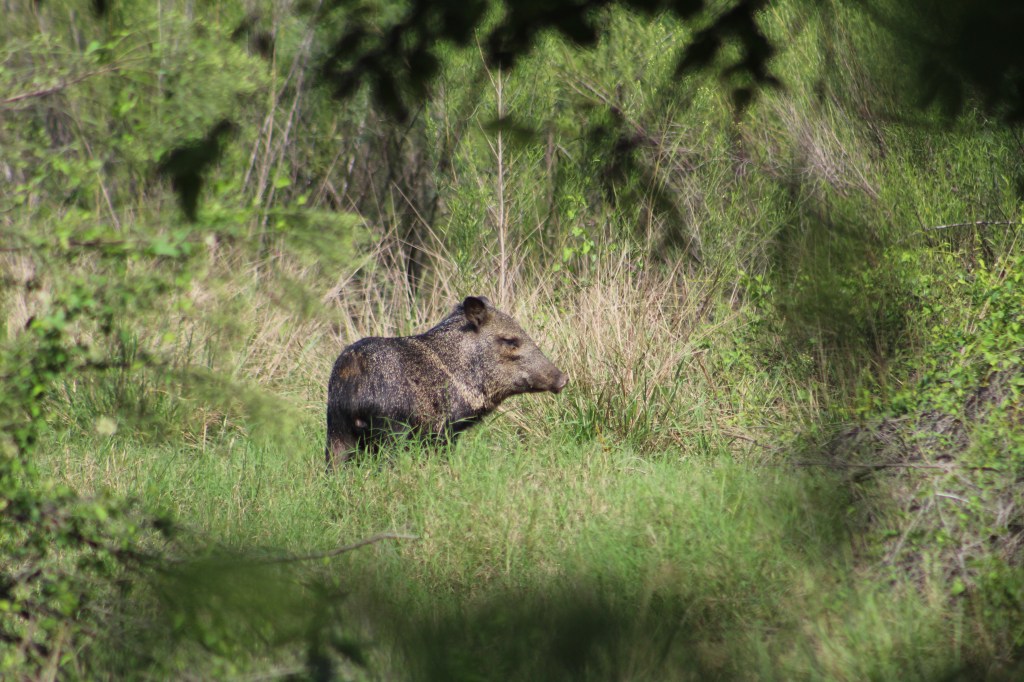
I am currently in the early stages of designing a multispecies project working with the Cofán, an Indigenous people of Amazonian Ecuador, and two species of peccaries (white-lipped and collared) that inhabit the forest. Peccaries are medium-sized artiodactyls that superficially resemble pigs. However, these are American originals! They differ in many substantial ways from pigs,…
-
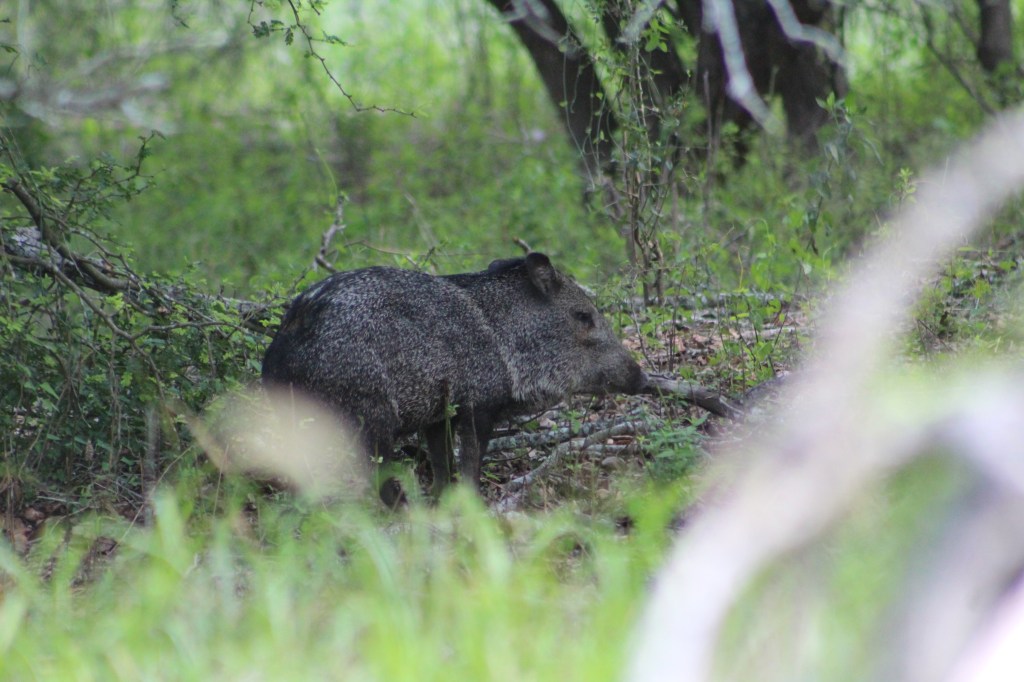
As of today I have submitted all of the required paperwork (IACUC, Occupational Health, Special Use Permit Application) . I will be collecting data on behavior and the use of space by collared peccaries/javelinas (Tayassu tajacu) at Laguna Atascosa Wildlife Refuge. This pilot study will support a larger research project in Ecuador on multispecies relations…


 Anthrop 365