social
-

I’ve sent off the first section of my dissertation to my advisor. This section is going in the introduction around the theoretical and methodological foundations of the study.Next stop: “Chapter 1- Contested Actors”
-

Anthropology is the study of humans, or as Dr. Jon Marks says: “the study of who we are and where we come from.” I consider it to be the study of humans, and the variety of relationships humans have. These relationships include some of the most obvious: kinship, communities, institutions, businesses, and religions. It also…
-
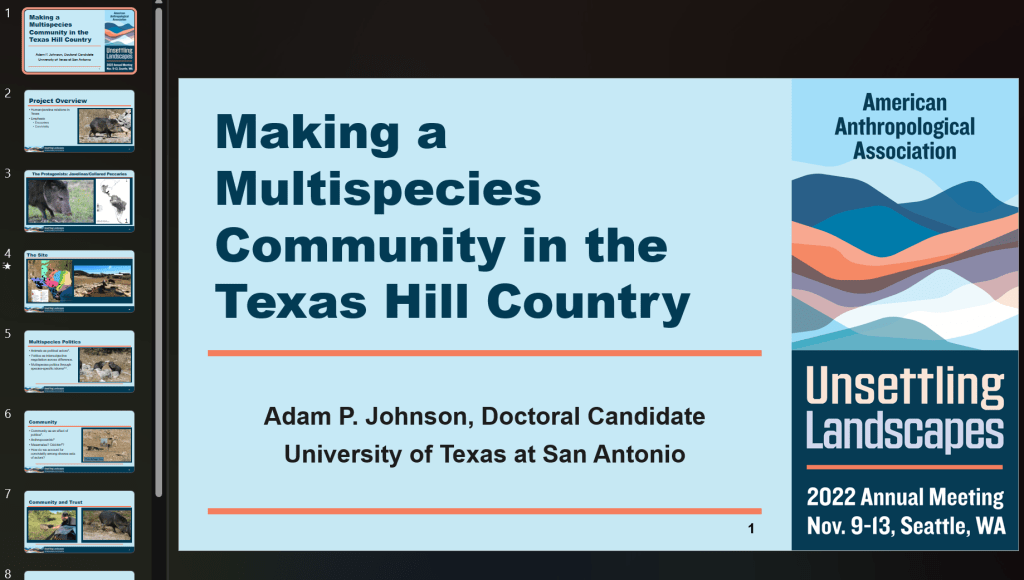
Below is a recording of the talk I am giving in person at the 2022 annual American Anthropological Association meeting on November 10.
-

My partner and I bought a house in 2019 and moved to San Antonio, TX, in service of my pursuit of a Ph.D. in anthropology. One thing that was abundantly clear to us—we are both from the East Coast and accustomed to a different climate—was that it is dry and gets very hot! Following the…
-

I recently participated in a webinar with the American Association of Biological Anthropologists and the Sausage of Science Podcast. We discussed mental wellbeing in academia and Dr. Rebecca Lester’s and my recent article on the subject: “Mental health in academia: Hacks for cultivating andsustaining wellbeing.”
-
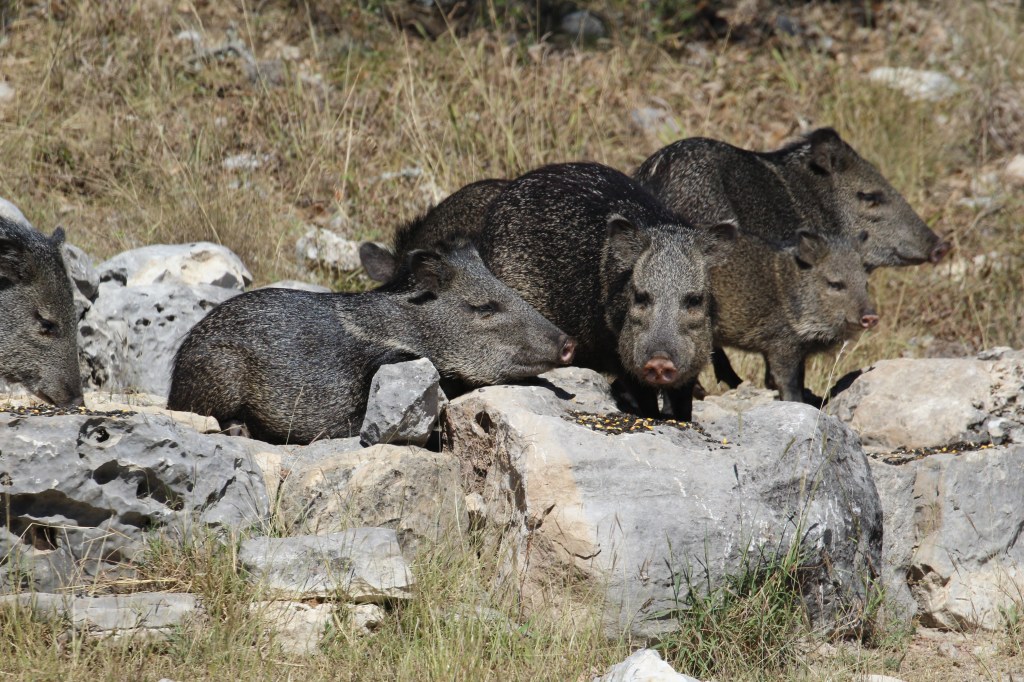
On October 27, I presented some of my preliminary research at the Royal Anthropological Institute’s 2021 Anthropology and Conservation conference at the “Living with Diversity in a More-than-human World” panel. In this talk, I discuss a multispecies community in the Texas Hill Country, centering on human-javelina relations.
-
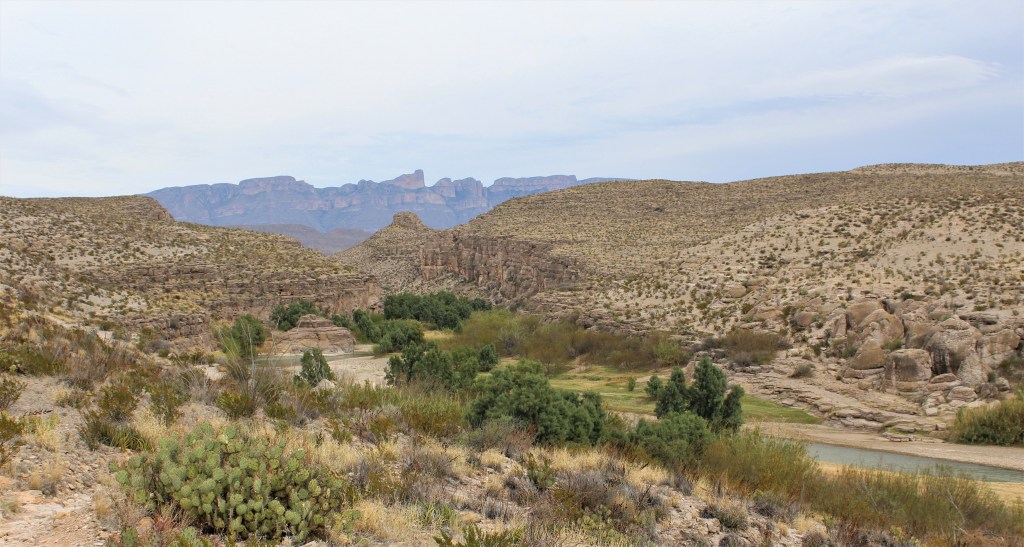
“Splendid Isolation, the Big Bend…” is how the National Parks Services introduces Big Bend National Park on its website. My partner and I recently took a several day trip to Big Bend and, I have to say, it was truly splendid. Many of the sights and experiences I had were unlike anything I had experienced…
-
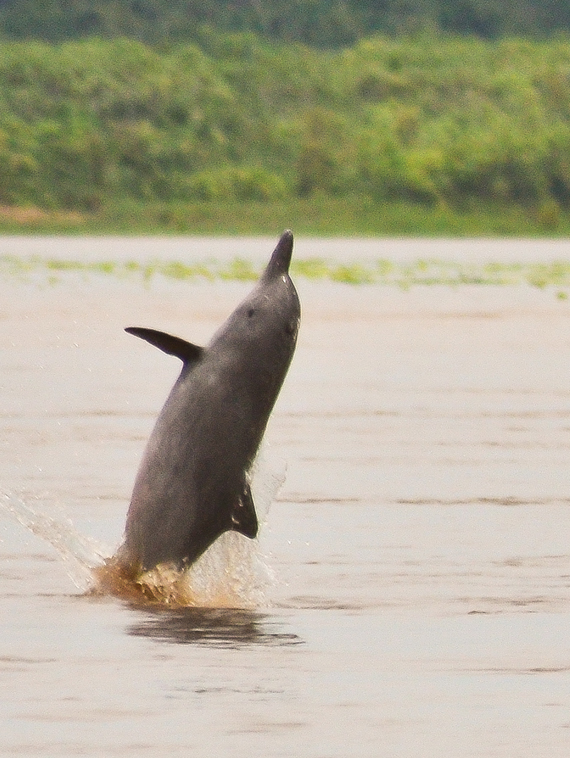
The Amazon River Basin is one of the richest river systems in the world, covering more than 7-million square kilometers. This system contains more than 5600 species of fish and is home to large predators such as caiman, giant otters, and arapaima. Many of the species that occupy the Amazon River and its tributaries are…
-

Western notions of modernity have situated human society apart from nature, which encompasses those spaces and beings that are unmodified and unsullied by human activity. The Western conception of nature/society can be contrasted with that of the Cofán—an Indigenous people of Amazonian Ecuador and Colombia—who identify as tsampini can’jen’sundeccu (dwellers of the forest). The Cofán…
 Anthrop 365