science
-
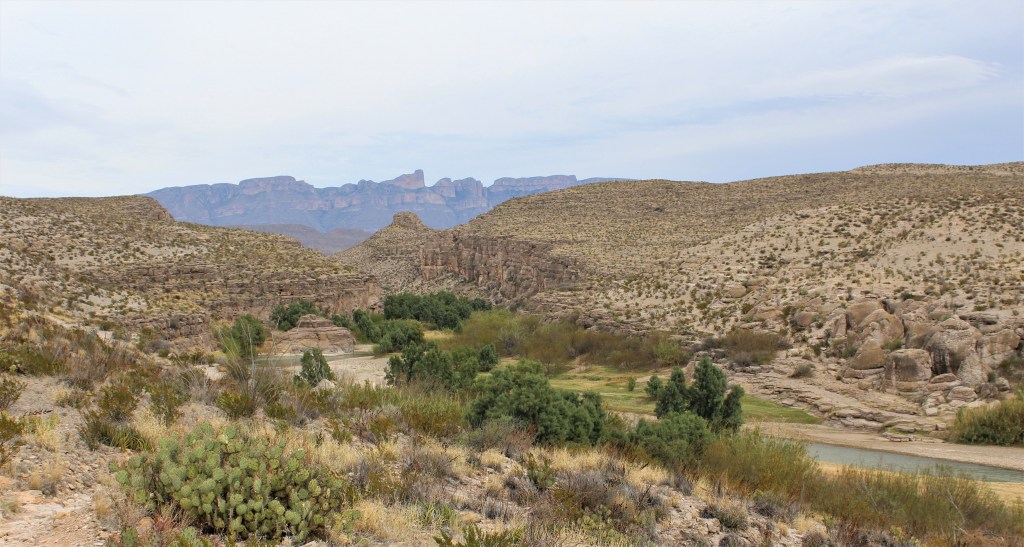
“Splendid Isolation, the Big Bend…” is how the National Parks Services introduces Big Bend National Park on its website. My partner and I recently took a several day trip to Big Bend and, I have to say, it was truly splendid. Many of the sights and experiences I had were unlike anything I had experienced…
-
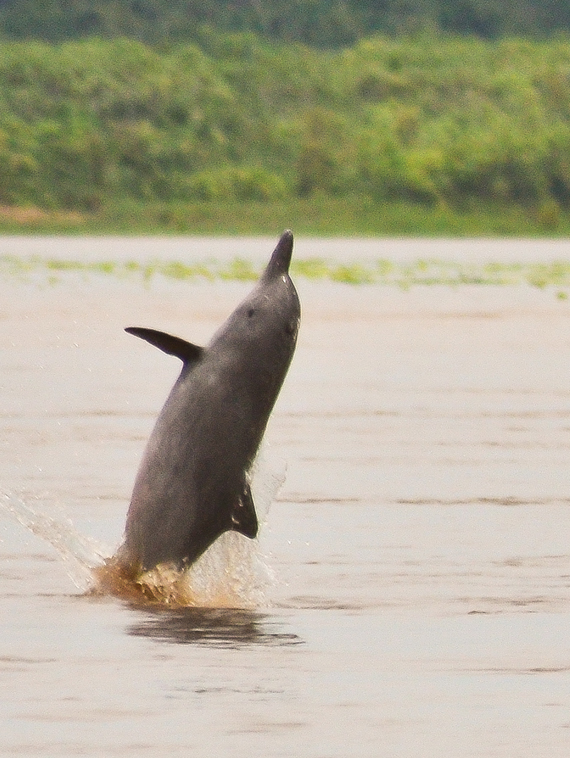
The Amazon River Basin is one of the richest river systems in the world, covering more than 7-million square kilometers. This system contains more than 5600 species of fish and is home to large predators such as caiman, giant otters, and arapaima. Many of the species that occupy the Amazon River and its tributaries are…
-

Western notions of modernity have situated human society apart from nature, which encompasses those spaces and beings that are unmodified and unsullied by human activity. The Western conception of nature/society can be contrasted with that of the Cofán—an Indigenous people of Amazonian Ecuador and Colombia—who identify as tsampini can’jen’sundeccu (dwellers of the forest). The Cofán…
-
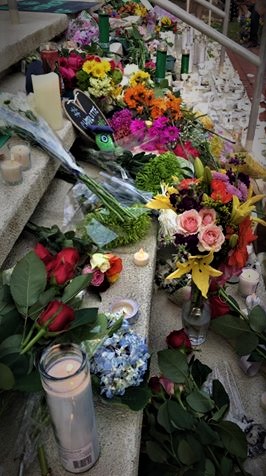
As time continues to press forward after the April 30 shooting at UNCC, I have continued to reflect, think about my experience, and discuss the experiences with others who were there and beyond. The summer is over, and I am required to be around people more frequently. I am in a new city, meeting new…
-
On April 30, my Liberal Studies class, framed as Anthropology and Philosophy of Science (Syllabus), was the site of a horrific event. Two of my students were killed, while four more were injured. I will not share their names as to protect them, although that information is available elsewhere. I will use broad terms or…
-
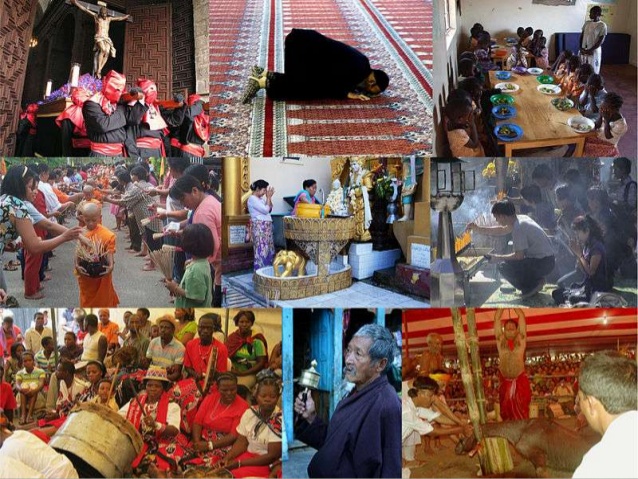
I am a biocultural anthropologist and teach at a university in the southern United States of America. This means that many of my students are religious and haven’t been taught evolution correctly. Students come into my introduction to anthropology, anthropology of science, and epidemiology classes with a scant and incorrect notion of natural selection, and…
-
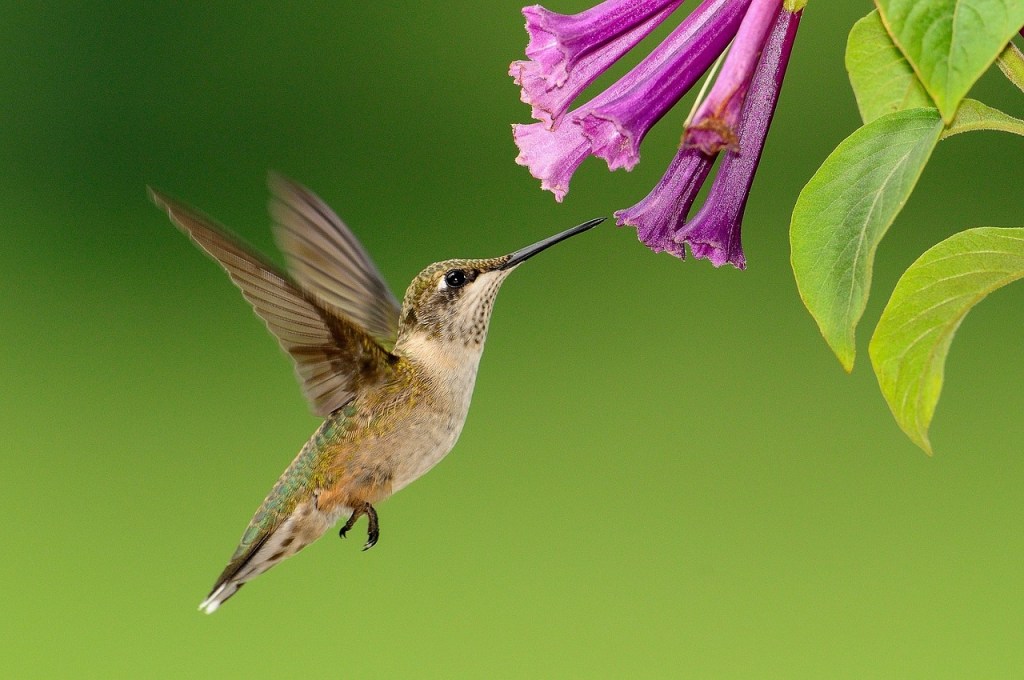
One of my passions is studying multispecies entanglements. As an anthropologist, the ways in which human activities affect the lives of other living organisms are of central interest, but the ontological relationships of other organisms go deep. A few weeks ago, I was having a conversation with my partner (who is a gender scholar), and…
-

After each semester, I evaluate what did and didn’t work in my classes. I didn’t teach Introduction to Anthropology for Fall 2018, so I had an extra semester to think about what I wanted to do with the course moving forward. I have decided to move on from using a textbook (despite the fact that…


 Anthrop 365