animals
-

On the May 12th, 2025 cover of Time Magazine, you will see a picture of a white wolf below the bold word Extinct slashed through with a red block. Below it reads “This is Remus. He’s a dire wolf. The first to exist in over 10,000 years. Endangered species could be changed forever.” This is…
-

After five years of research and writing, I am pleased to announce that my first book is under contract with University of Texas Press. Peer reviews came back as positive with incredibly helpful feedback that will undoubtably enhance the text. I look forward to continuing writing and editing the manuscript with the reviewers’ suggestions in…
-

Texas Ebony trees (Ebenopsis ebano) is a species of legume native to South Texas. These trees produce large bean pods (see below) that ripen and fall to the ground. They provide food to javelinas (Pecari tajacu) and other wildlife. Using the last five years of iNaturalist javelina sightings, I am examining the relationship between javelinas…
-
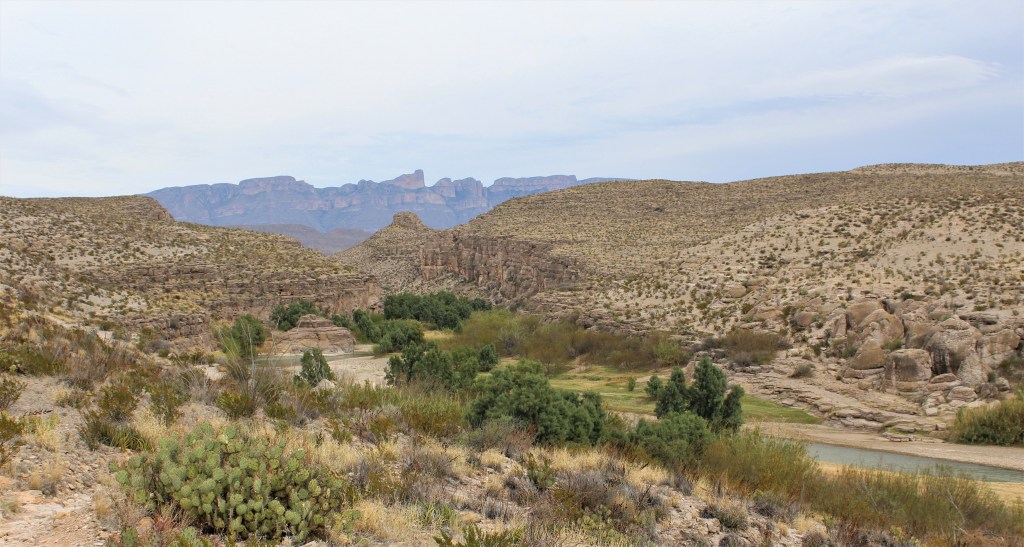
“Splendid Isolation, the Big Bend…” is how the National Parks Services introduces Big Bend National Park on its website. My partner and I recently took a several day trip to Big Bend and, I have to say, it was truly splendid. Many of the sights and experiences I had were unlike anything I had experienced…
-
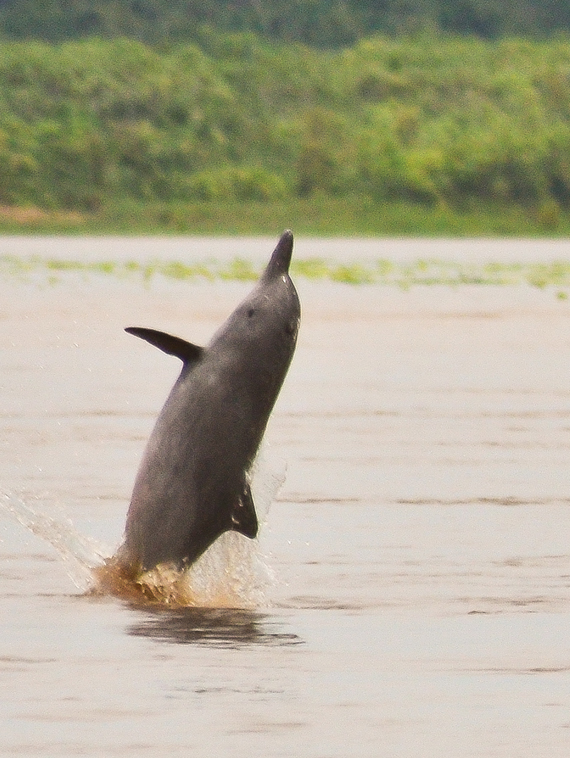
The Amazon River Basin is one of the richest river systems in the world, covering more than 7-million square kilometers. This system contains more than 5600 species of fish and is home to large predators such as caiman, giant otters, and arapaima. Many of the species that occupy the Amazon River and its tributaries are…
-

Western notions of modernity have situated human society apart from nature, which encompasses those spaces and beings that are unmodified and unsullied by human activity. The Western conception of nature/society can be contrasted with that of the Cofán—an Indigenous people of Amazonian Ecuador and Colombia—who identify as tsampini can’jen’sundeccu (dwellers of the forest). The Cofán…
-
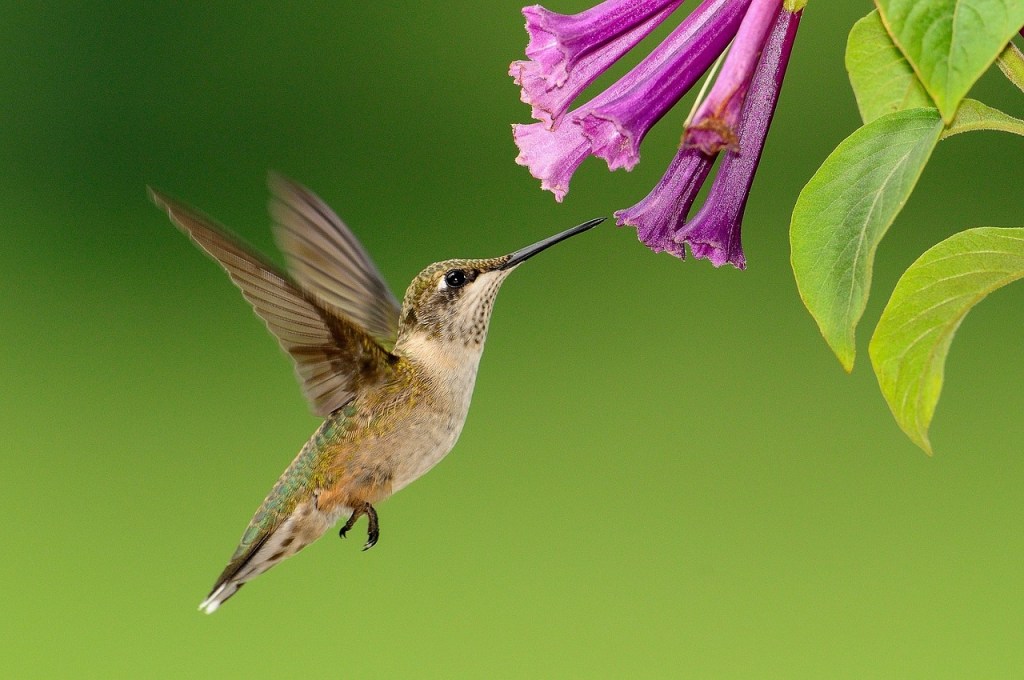
One of my passions is studying multispecies entanglements. As an anthropologist, the ways in which human activities affect the lives of other living organisms are of central interest, but the ontological relationships of other organisms go deep. A few weeks ago, I was having a conversation with my partner (who is a gender scholar), and…


 Anthrop 365